
The 2026 Men's FIFA World Cup is a politically charged topic. Even so, we're already looking forward to a summer dedicated to sporting competition. And what goes better with a sizzling football match in the scorching heat of Mexico or the USA? A nice, cold beer, of course.
In this article, we'd like to introduce you to the beer scene of Group E & J. If you enjoy this format, we'll put together a little series covering all the participating countries of the 2026 World Cup.
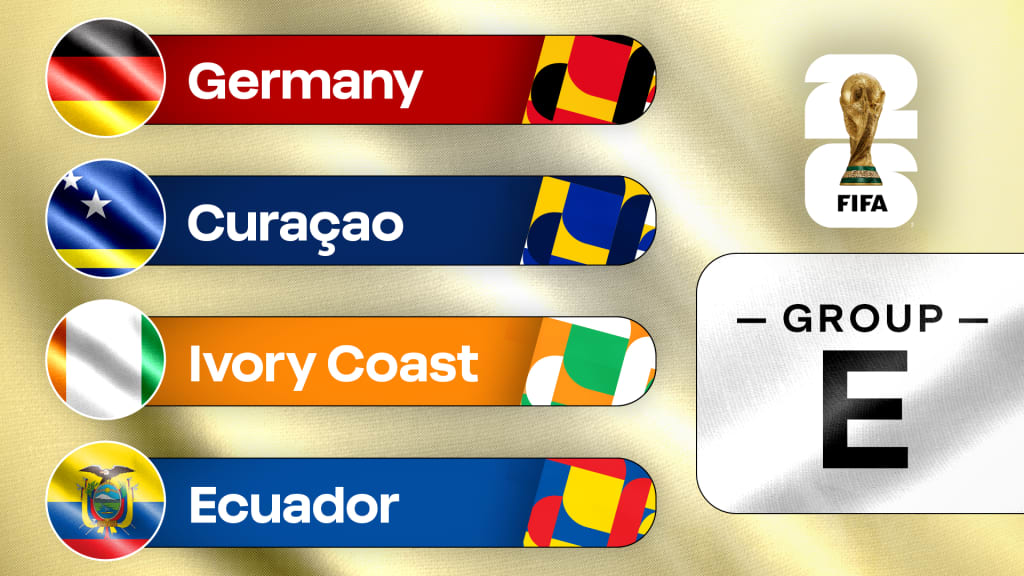
Group E
Germany:
Germany's beer landscape is deeply rooted in the country's culture, defined by the highest density of breweries in the world and the famous Reinheitsgebot (Purity Law). With over 1,500 brewing sites and an enormous variety of regional and national styles, beer is the nation's most popular alcoholic beverage. Germany records an annual beer production of around 88 million hectolitres. Names like Augustiner München and Bitburger are known worldwide, but there's also a huge variety of craft beer breweries such as Camba Bavaria, BRLO and Sudden Death Brewing.
Curaçao:
The beer culture on Curaçao is shaped by the tropical climate. The most widely consumed beer is Amstel Bright, which Heineken brews in Zoeterwoude (NL) especially for the Caribbean overseas territories. On Curaçao itself there are only two independent local breweries – among them the Swinging Old Lady Brewery.
Ivory Coast:
The Ivory Coast (Côte d'Ivoire) has a vibrant brewing culture with popular, refreshing lagers. They're typically drunk ice-cold and often contain ingredients like local maize, which gives them a mild, easy-drinking flavour. One local example is the Bock from Solibra. This is, however, a pale lager rather than a strong beer.
Ecuador:
Ecuador's beer scene is largely dominated by the country's biggest brewery, Cerveceria Nacional CN Ecuador – which is part of the AB InBev group. Among the most consumed beers are Cerveza Pilsener and Club Premium. But the ever-growing craft beer scene is nothing to overlook either. The small breweries place particular emphasis on local raw ingredients. One of them is Cerveceria Latitud Cero.
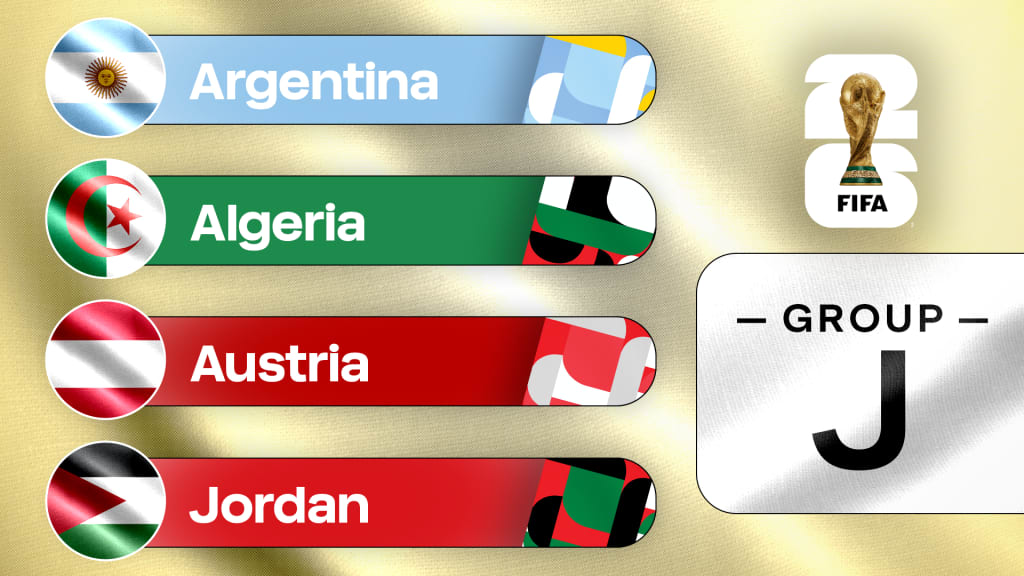
Group J
Austria:
Austria takes pride in its deep, centuries-old beer culture, shaped by one of the highest brewery densities in the world. The country stands out for its enormous variety, with Helles, Märzen and the Vienna Lager leading the way. Alongside the Heineken group's brands – such as Gösser, Zipfer and Puntigamer, which dominate nearly 60% of the market – Austria's private breweries take great pride in their independence. Among these private breweries are Stiegl, Mohren and Ottakringer. One of the most popular beers on BeerTasting is the Augustiner Salzburg Märzen.
Jordan:
Jordan has a surprisingly vibrant beer culture. Due to local legislation, alcohol is only served in licensed hotels, bars and restaurants in cities like Amman, Aqaba and Madaba. In supermarkets, sales outside the month of Ramadan are restricted to special shops, and alcohol is rarely consumed in public. Alongside the widespread mass-market brand Amstel (which is brewed locally), a very small craft beer scene has emerged in recent years. The most popular brands and breweries are Aman Carakale Brewing and Jordan Brewery Co.
Argentina:
Argentina's beer market is dominated by the pale lager (Rubia), which is typically light, mild and easy-drinking to suit the warm climate. The brewing culture is strongly European-influenced and has diversified considerably thanks to a thriving craft beer boom. Maize or rice is often added to the brew, giving the beer a slightly sweet note. Quilmes is the undisputed market leader (part of AB InBev). The mild, slightly sweet Quilmes Cristal is the country's absolute go-to beer. The second-largest brewery, CCU, produces popular brands such as Schneider and Imperial.
Algeria:
The best-known beer brands of Africa's largest country are Tango (the best-selling local beer, brewed by a Heineken subsidiary), as well as Samba and Gosto. Since alcohol consumption is socially and legally restricted in the predominantly Muslim country, beer and spirits are mainly available in licensed shops, hotel bars and upscale restaurants.
Have you already tasted one of these beers? Drop us a comment! 🍻
Comments
1